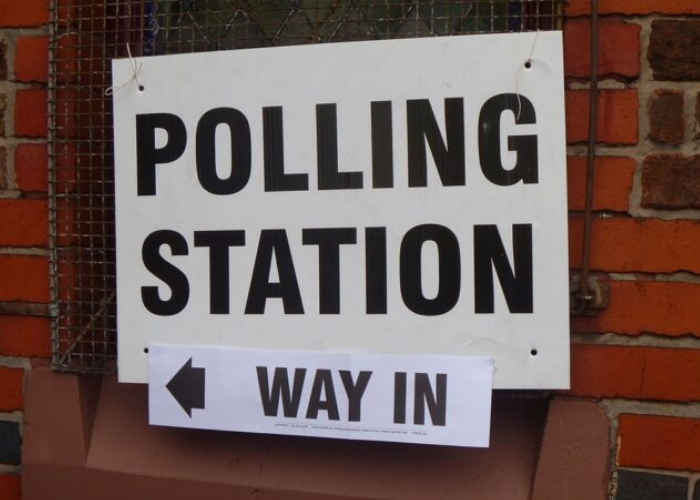
This Thursday, local elections are taking place in over 100 local authorities across England, including full council elections in all 32 London Boroughs, in 16 other metropolitan boroughs including Birmingham, Coventry, Newcastle and Sunderland, and in 6 unitary authorities including Milton Keynes, East Surrey, West Surrey and Swindon.
These elections are likely to mark a major shift in the local political landscape, so we’re highlighting 6 key themes to watch out for as millions head to the polls:
Theme 1: Labour punished
There is a long history of national governments being punished at local elections, but it will come as no surprise to those keeping an eye on Keir Starmer’s approval ratings that Labour are expected to take a battering this Thursday. In the last year there have been 72 by-elections for Labour-held council seats, but they have successfully defended just 16, as well as losing both parliamentary by-elections in Runcorn & Helsby and Gorton & Denton (again, seats they had previously controlled).
Many of the Councils holding full elections (where every councillor is up) this year are Labour run, with areas such as Milton Keynes, Swindon and Birmingham at serious risk of losing their Labour majorities. Other areas such as Oxford and Sheffield only have half or one-third of the seats up for election, but in those places Labour look likely lose enough ground to cede control of the council to other parties.
Theme 2: Green and Reform waves
The unlikely twins of The Green Party and Reform UK look set to capitalise on Labour’s fragility, seemingly with a geographic split.
The Greens will hope to build on the momentum of the Gorton & Denton by-election in the urban cores of the major cities, while Reform will be looking to make gains in the ex-industrial areas of the North East and West Midlands, as well as the county councils in the East of England. Both parties will also hope to gain majority control of at least one London borough, with Havering likely to elect a Reform administration (following local MP Andrew Rosindell’s defection earlier this year) and the Greens confident of winning the mayoral race in Hackney.
Theme 3: Lib Dems and Conservative stagnation
But what of the other two major national parties? The Conservatives have bled support on both sides to Reform and the Liberal Democrats, but Kemi Badenoch will hope her gently rising approval ratings – combined with the small amount of Conservative-led councils actually up for election this year – will be enough to prevent a major collapse. There may also be the opportunity to claw back some of the London seats they lost four years ago, most notably in Westminster, Wandsworth and Barnet.
The Lib Dems, conversely, have been quite impressive in defending seats in the by-elections of the last year, but have failed to consistently challenge outside of their core areas of southern England and south-west London. Whilst they may consolidate their position in these areas – hoping to gain control of the London Borough of Merton for the first time, and the new West Surrey unitary authority – they are unlikely to mount a significant challenge in much of the rest of the country.
Theme 4: The end of the independent?
In the last year, 30 seats previously held by independents have faced by-elections, but of these only 5 were successfully defended – with 18 being won by Reform alone. With the emergence of a 5-horse race at a national level, independents and residents’ groups may fear becoming increasingly sidelined as voters face greater choice, and previously unaffiliated candidates look to join a major party to ensure their voice is heard.
Theme 5: No Overall Control
Another consequence of the 5-way bout emerging across the country will be a rise in the number of council areas with no overall control, as votes are spread thinly across more parties. Poll Check’s projection for Birmingham, for example, sees all 5 parties plus independents gaining double digit (or close) seats, although the lack of on-the-ground polling mean local election predictions must always be taken with a heavy pinch of salt.
Whilst Labour, the Lib Dems, and Green have often been able to find middle ground and form haphazard ‘traffic light’ coalitions, Reform’s divisiveness even among those on the right may hinder their ability to form stable coalitions. Either way, expect many councils to be run by coalition or minority administrations.
Theme 6: Fresh Starts
Whilst many areas of the country will be facing Local Government Reorganisation within the next few years, Surrey is ahead of the curve. This year’s elections will determine the councillors for the new East and West Surrey unitaries. This will offer not just a fresh start for the region (ignoring the £4.5 billion of debt that West Surrey will immediately be lumbered with!) but will act as a test bed for the other regions soon to be following in their footsteps. The Lib Dems look the most likely to form the administration in the West, but strong Conservative and growing Reform presence in the East make control there less easy to predict.
We keep on top of changes in the local and national political landscape, and advise you on what this means for planning and development; to keep up to date with the ‘Politics of Planning’, be sure to sign up to our mailing list via our website, and do contact us at office@spbroadway.com with any political engagement issues you’re currently facing.